
Insulin and Medication in Online Diabetes Care

by Dr. W. Rizvi
Aug 5, 2026
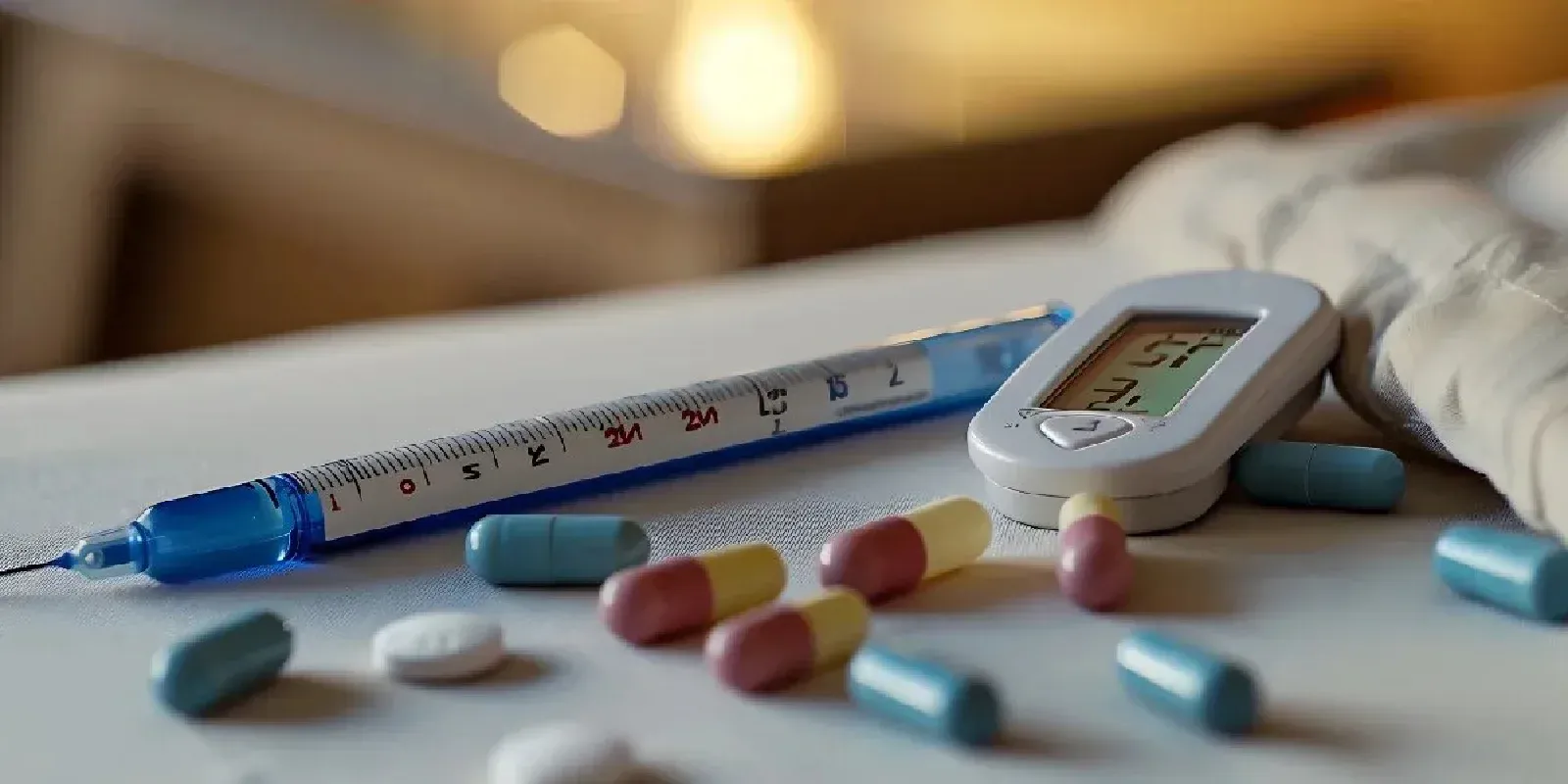
For many people living with diabetes, managing the condition becomes part of their everyday routine. Checking blood sugar, taking medications, planning meals, and staying active all play a role, yet questions often arise between appointments. Is the medication still working as it should? Do recent glucose readings suggest a change is needed? Could a different insulin schedule help improve blood sugar control? These are common concerns that can leave patients wondering whether their treatment plan is still the right fit.
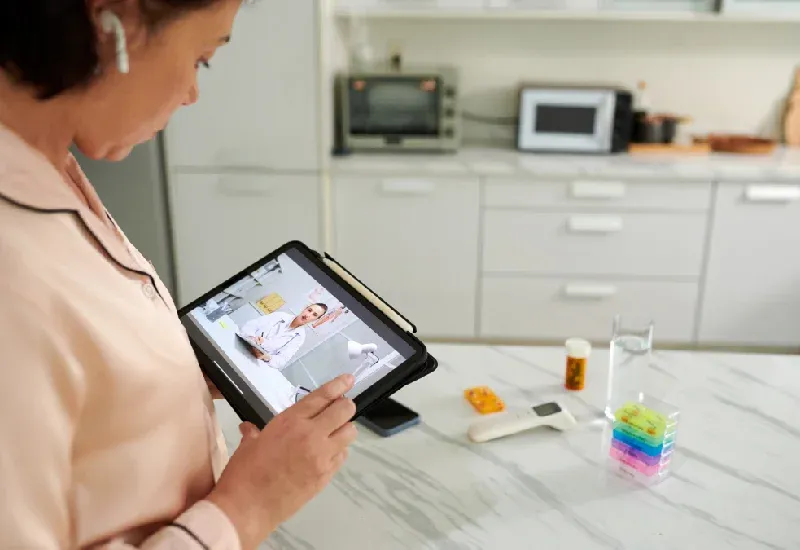
Online diabetes care in New Jersey provides an opportunity for appropriate patients to review these questions with an endocrinologist without the need for every follow-up to take place in person. Virtual appointments can be used to discuss insulin use, diabetes medications, blood glucose trends, symptoms, and overall treatment progress while helping patients stay engaged in their care. Although online consultations do not replace laboratory testing, physical examinations, or emergency medical services, they offer a convenient way to support ongoing diabetes management through personalized medical guidance.
How Insulin Supports Healthy Blood Sugar Management
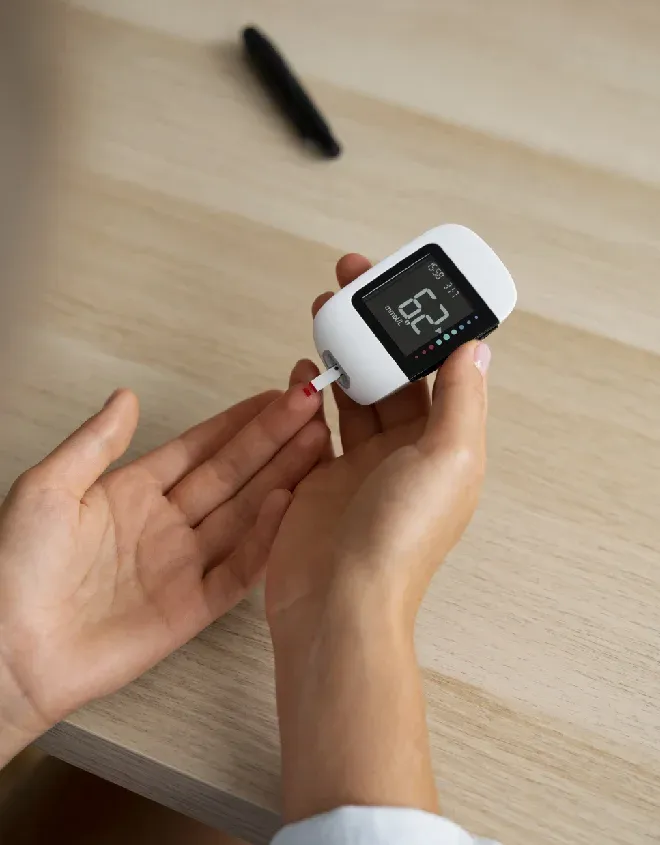
Insulin is a hormone produced by the pancreas that helps move glucose from the bloodstream into the body's cells, where it is used for energy. When the body does not produce enough insulin or cannot use it effectively, blood sugar levels can rise above the normal range, increasing the risk of diabetes-related complications over time. People with type 1 diabetes require insulin because their bodies produce little or no insulin, while some people with type 2 diabetes may also need insulin if lifestyle changes and other medications are not enough to keep blood glucose within their target range.
Insulin therapy is highly individualized because every person's glucose patterns, daily routine, and health needs are different. Healthcare providers consider factors such as blood sugar trends, meal timing, physical activity, age, other medical conditions, and current medications when developing an insulin plan. Different types of insulin work at different speeds and last for varying lengths of time, allowing treatment to be tailored to each patient's needs. Patients should never start, stop, or adjust insulin doses on their own, as even small changes can affect blood glucose control and increase the risk of low or high blood sugar.
During an online visit, patients may discuss glucose records, low or high blood sugar episodes, injection routines, insulin pumps, or continuous glucose monitor data. This information helps the new jersey endocrinologist assess whether the current plan remains suitable and whether an in-person evaluation is also needed.
Reviewing Diabetes Medications Through Virtual Appointments
Not every person with diabetes uses insulin. Several classes of non-insulin medications are available for type 2 diabetes, and they work in different ways to help manage blood glucose. Some are taken by mouth, while others are injectable. The appropriate option depends on the patient’s diabetes type, medical history, glucose goals, other health conditions, and response to the current care plan.
For patients using new jersey online diabetes care, a virtual medication review can provide an opportunity to discuss current prescriptions, recent laboratory results, glucose patterns, lifestyle habits, and possible concerns with an endocrinologist. R-Endocrinology’s virtual service includes personalized diabetes care, medication management, glucose monitoring support, and referrals to other healthcare professionals when needed.
Online medication reviews may help patients:
- Confirm how and when prescribed medicines should be taken
- Discuss missed doses or difficulties following the routine.
- Report possible side effects or new symptoms.
- Review glucose readings alongside meals and activity.
- Understand why regular laboratory testing may be necessary.
- Prepare questions before the next follow-up appointment.
Patients should seek urgent medical attention rather than waiting for a virtual appointment when experiencing severe symptoms or a possible medical emergency.
What Your Endocrinologist Reviews Online
An online diabetes appointment involves more than briefly reviewing a glucose number. The endocrinologist considers several pieces of information together to understand how diabetes is being managed. These may include recent blood sugar readings, continuous glucose monitor reports, insulin or medication routines, laboratory results, eating patterns, activity levels, sleep, stress, and changes in weight or symptoms.
Patients should prepare an accurate list of prescriptions, over-the-counter products, supplements, allergies, and recent medication changes. They may also be asked about episodes of low blood sugar, unusually high readings, skipped meals, illness, or changes in physical activity. The CDC notes that low blood sugar may be associated with factors such as missed meals, excess insulin, certain diabetes medicines, or greater-than-usual physical activity.
This detailed review helps the provider understand whether a concern may be related to the medication plan, lifestyle patterns, monitoring technique, or another health issue. It also allows patients to ask questions and better understand their individualized care.
Key Elements of Online Diabetes Medication Management
| Aspect | How It Supports Diabetes Management |
|---|---|
| Insulin Review | Helps evaluate blood sugar patterns and determine whether the current insulin plan is working effectively. |
| Medication Assessment | Allows the endocrinologist to review prescribed diabetes medications, usage, and any concerns. |
| Glucose Monitoring | Blood sugar readings help identify trends and support informed treatment decisions. |
| Virtual Follow-Ups | Regular online appointments help monitor progress and discuss changes in symptoms or health. |
| Patient Education | Patients receive guidance on medication routines, glucose tracking, and healthy lifestyle habits. |
| When In-Person Care Is Needed | Laboratory tests, physical examinations, or urgent symptoms may require an office visit or immediate medical attention. |

"More than 38 million Americans are living with diabetes, making regular treatment monitoring and medication management essential for long-term health."
Preparing for a Medication Review
Before a virtual consultation, patients can gather recent glucose records, laboratory reports, medication containers, and information from glucose monitors or insulin pumps. Writing down symptoms and questions can also make the appointment more productive. Patients should be honest about missed doses, difficulties using devices, or concerns about the care plan.
An online consultation does not mean every treatment decision can be completed remotely. The endocrinologist may recommend laboratory testing, an in-person examination, coordination with a primary care provider, or emergency care depending on the patient’s symptoms and medical needs. For patients whose diabetes is closely linked with excess weight, the endocrinologist may also discuss whether additional support through an Obesity & Weight Management program could complement their overall treatment plan. Virtual care works best when it is used as part of a complete and coordinated diabetes management plan.
Conclusion
Managing diabetes is an ongoing process that often requires regular review of blood glucose patterns, medications, lifestyle habits, and overall health. Whether treatment includes insulin, non-insulin medications, or a combination of approaches, consistent follow-up helps ensure the care plan continues to meet the patient's changing needs. Online consultations provide a convenient way for appropriate patients to discuss concerns, review treatment progress, and receive personalized guidance while remaining connected with their endocrinologist. When combined with recommended laboratory testing, in-person evaluations when needed, and healthy daily habits, virtual diabetes care can become an important part of long-term diabetes management.
Contact your Endocrinologist in New Jersey at R-Endocrinology today to learn more about insulin and medication in online diabetes care.
Resource:
Share This:
Disclaimer
Please note that the information provided in the blogs and articles is intended for general informational purposes only and should not be considered medical advice. We strive to bring you the latest information about the endocrine world; however, we encourage you to seek individual medical advice and treatment options during your consultation with a qualified healthcare professional.