
Common Mistakes Patients Make in Diabetes Management

Dr. W. Rizvi
Jul 24, 2026
Managing diabetes in New Jersey successfully involves more than checking blood sugar levels or attending occasional medical appointments. It requires consistent daily habits, regular monitoring, informed lifestyle choices, and ongoing communication with a healthcare provider. Although many patients are committed to managing their condition, small mistakes repeated over time can make it more difficult to maintain healthy blood sugar levels and protect long-term health. Recognizing these common challenges is an important first step toward building a more manageable and sustainable routine.
Diabetes affects each person differently, which means there is no single approach that works for everyone. Some patients struggle with meal planning, while others find it difficult to attend follow-up appointments, monitor glucose consistently, or recognize changes in their health. New Jersey Online diabetes care, can provide a convenient way for appropriate patients to stay connected with an endocrinologist while receiving personalized guidance based on their medical needs and daily circumstances.
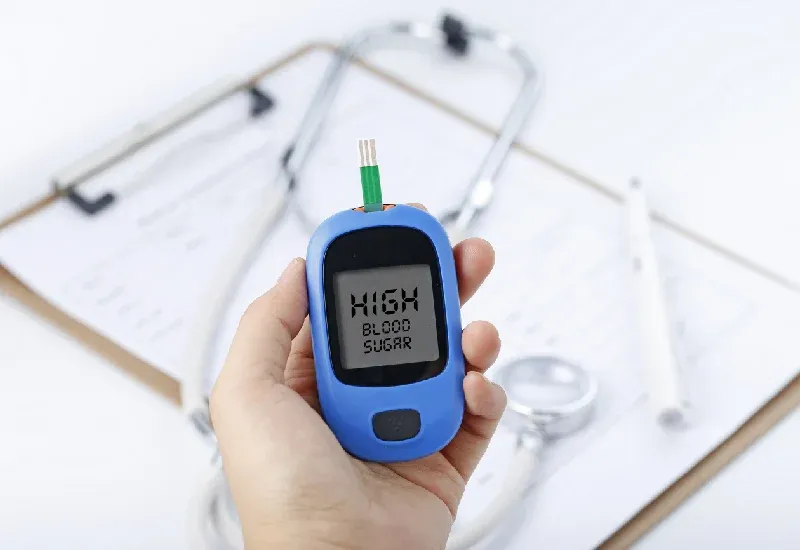
Everyday Habits That May Disrupt Diabetes Control
Small daily habits can have a greater effect on diabetes management than many patients realize. Skipping meals, sleeping inconsistently, overlooking hydration, remaining inactive, or failing to record glucose readings may make blood sugar patterns harder to understand. These habits can also prevent patients and their providers from identifying what is contributing to unexpected changes.
Common daily mistakes may include:
- Eating meals at widely different times each day.
- Relying heavily on highly processed foods.
- Remaining inactive for long periods.
- Ignoring sleep and stress-related concerns.
- Recording glucose results inconsistently.
- Waiting too long to report unusual symptoms.
Missing Follow-Ups and Important Health Reviews
One of the most common mistakes patients make is waiting until symptoms become disruptive before contacting their healthcare provider. Diabetes can change gradually, even when a person feels well. Regular follow-up visits allow an endocrinologist to review glucose patterns, discuss symptoms, evaluate lifestyle challenges, and determine whether the current management approach remains appropriate.
Regular diabetes appointments may help patients:
- Understand changes in their glucose readings.
- Discuss difficulties with meals, activity, sleep, or stress.
- Review progress toward individual health goals.
- Ask questions about symptoms or daily routines.
- Identify concerns before they become more difficult to manage.
- Maintain accountability and confidence between visits.
Overlooking the Impact of Daily Lifestyle Choices
Managing diabetes involves more than following one part of a care plan. Food choices, meal timing, physical activity, hydration, sleep quality, and stress can all affect glucose levels. Patients sometimes focus on one area while overlooking the combined impact of their daily routine. For example, an individual may monitor glucose consistently but still experience unpredictable patterns because meals, sleep, and activity vary significantly from one day to another.
Another common mistake is viewing glucose readings as isolated numbers rather than part of a broader pattern. Recording meals, activity, sleep, stress, symptoms, and glucose results may help patients identify connections that are not immediately obvious. This information can also make follow-up appointments more productive because the new jersey endocrinologist has greater context when reviewing changes.
“Diabetes self-management education and support can help people develop the skills and confidence needed to manage diabetes and improve their health.”
Common Mistakes and Better Daily Approaches
| Common mistake | Why it may cause difficulty | A more helpful approach |
|---|---|---|
| Skipping follow-up appointments | Important changes may go unnoticed | Maintain routine visits with an endocrinologist |
| Ignoring glucose patterns | Individual readings may lack context | Track readings alongside meals, activity, and symptoms |
| Making drastic lifestyle changes | Extreme routines may be difficult to sustain | Focus on gradual, realistic improvements |
| Overlooking sleep and stress | Both may affect daily habits and glucose patterns | Discuss sleep or stress concerns with the care team |
| Waiting to report symptoms | Delays may make concerns harder to address | Contact the provider when meaningful changes appear |
| Using general advice without personalization | Diabetes needs differ between patients | Follow an individualized diabetes management plan |
Conclusion
Avoiding common diabetes management mistakes begins with awareness, consistency, and reliable professional support. Regular follow-ups, thoughtful glucose tracking, balanced daily habits, sufficient sleep, physical activity, and open communication can help patients better understand their condition. Rather than aiming for perfection, individuals should focus on practical improvements they can maintain over time. Personalized guidance is especially important because every patient’s health needs and daily circumstances are different.
With online diabetes care in Hamilton, NJ, appropriate patients can stay connected with their endocrinologist, discuss ongoing concerns, and receive personalized guidance as their diabetes management needs evolve. When virtual care is combined with recommended laboratory testing and in-person evaluations when necessary, it can become a convenient part of a comprehensive long-term diabetes management plan.
Contact your Endocrinologist in New Jersey at R-Endocrinology today to learn more about common mistakes patients make in diabetes management.
Resource
Share This:
Disclaimer
Please note that the information provided in the blogs and articles is intended for general informational purposes only and should not be considered medical advice. We strive to bring you the latest information about the endocrine world; however, we encourage you to seek individual medical advice and treatment options during your consultation with a qualified healthcare professional.