
Future of Diabetes Care: How AI and Telemedicine Are Changing Patient Care

Dr. W. Rizvi
Sep 2, 2026
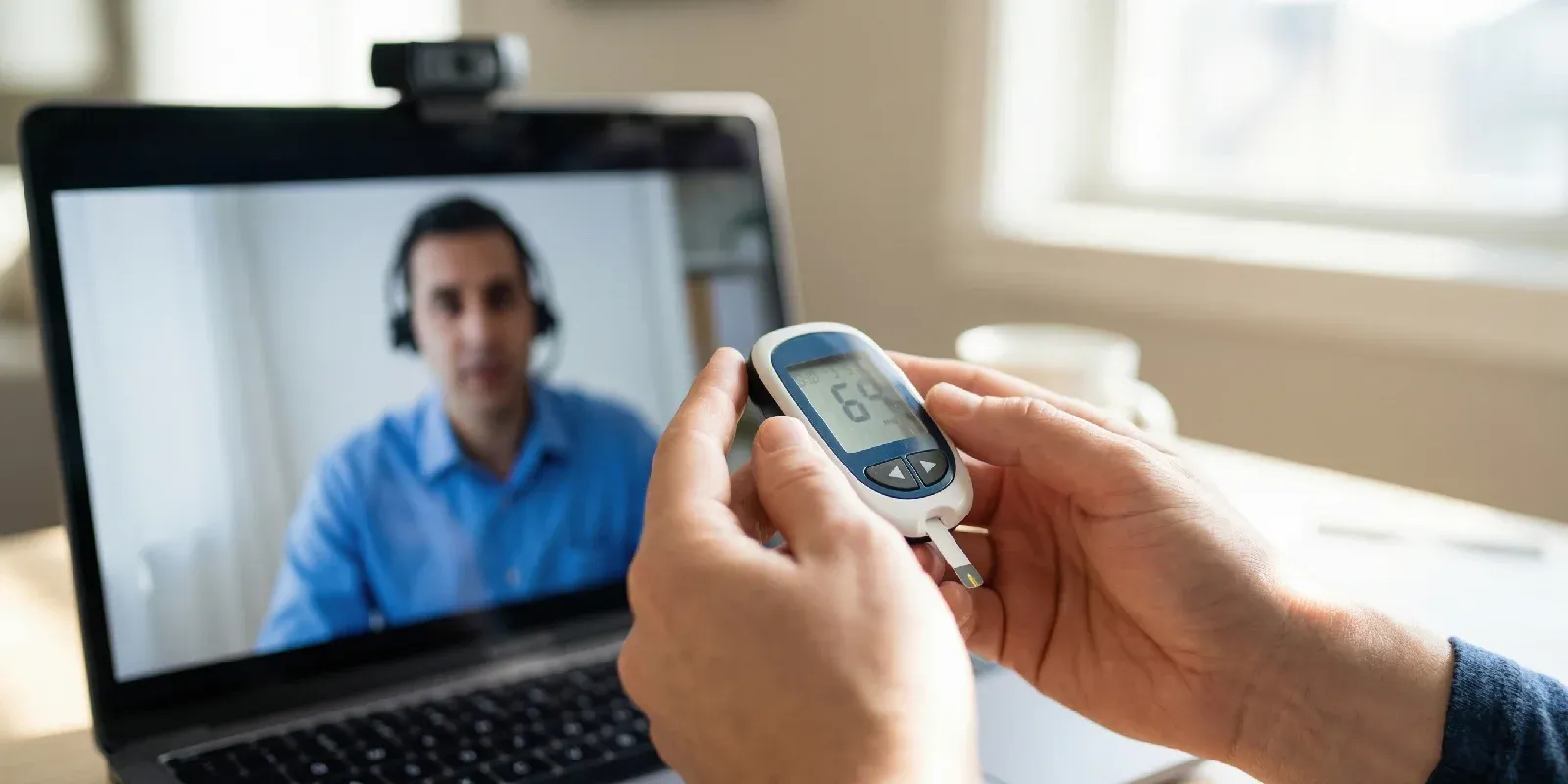
Managing diabetes traditionally meant keeping written glucose records, traveling to appointments, and waiting until the next visit to discuss changing patterns. Today, Diabetes Care in New Jersey is becoming increasingly connected. Telemedicine, continuous glucose monitoring, digital health platforms, and emerging artificial intelligence tools can help appropriate patients share useful health information with their care teams and stay connected between office visits. These technologies are changing how patients participate in long-term diabetes management.
The future is not about replacing endocrinologists with algorithms. Instead, technology may help patients and specialists understand health information more efficiently and communicate more consistently. At R-Endocrinology, online diabetes care already gives eligible patients a convenient way to discuss glucose readings, symptoms, lifestyle patterns, and ongoing health concerns with an endocrinologist. As digital tools continue developing, combining technology with individualized medical judgment may make diabetes management more accessible, informed, and patient-centered.
How Technology Is Reshaping Modern Diabetes Management
Diabetes generates a significant amount of information, from glucose readings and laboratory results to meals, activity, sleep, and symptoms. Digital tools can organize some of this information so patients and healthcare professionals can identify meaningful patterns more easily. Rather than depending only on occasional measurements, connected technology can provide a broader view of how glucose changes throughout daily life. These insights may also support Obesity & Weight Management by helping patients and healthcare professionals better understand how daily activity, eating habits, and weight-related factors may influence overall metabolic health.
Telemedicine makes Specialist Diabetes Care more Accessible
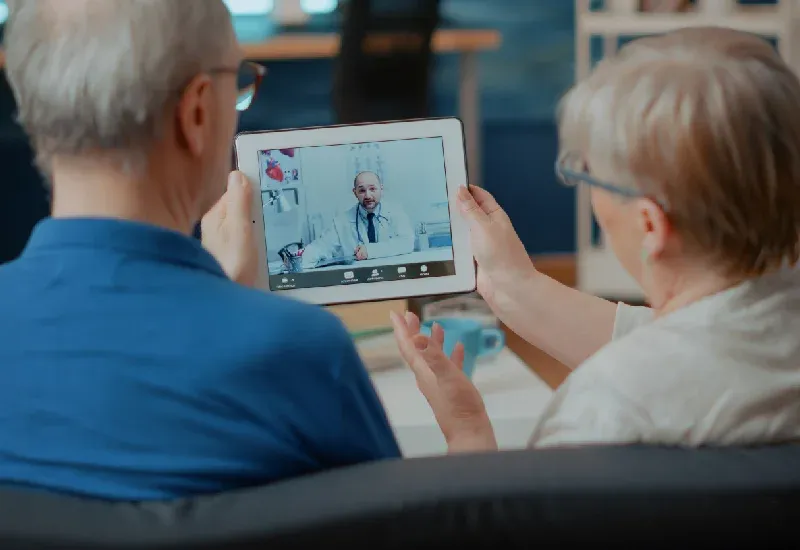
For patients with busy schedules, mobility concerns, transportation difficulties, or long travel distances, regular specialist appointments can become challenging. Telemedicine reduces some of these barriers by allowing appropriate patients to communicate with an endocrinologist remotely. Current American Diabetes Association guidance recognizes telehealth as a useful complement to in-person care that can improve timely access to diabetes services.
Through R-Endocrinology’s Online Diabetes and Metabolism Consultation, patients can discuss glucose patterns, recent laboratory findings, symptoms, lifestyle concerns, and questions from home. Virtual care does not eliminate the need for physical examinations, laboratory testing, or emergency services, but it can make routine follow-up more convenient.
Key advantages may include:
- Easier access to endocrinology follow-ups.
- Less time spent traveling to routine appointments.
- More convenient review of glucose information.
- Better continuity between scheduled visits.
- Easier communication about changing health patterns.
How AI May Support Future Diabetes Care
Artificial intelligence is increasingly being explored as a tool for analyzing large amounts of health information and identifying patterns that may otherwise be difficult to recognize quickly. In diabetes care, AI-related algorithms are already part of certain technologies, including automated insulin delivery systems that use continuous glucose monitor data to help adjust insulin delivery. However, these technologies require appropriate selection, education, monitoring, and professional oversight.
For patients, the most valuable role of AI may be helping transform large amounts of data into information that is easier to understand. Future systems may help clinicians recognize recurring glucose trends, organize remote-monitoring information, and identify patients who may benefit from closer review.
Important areas where digital intelligence may contribute include:
- Recognizing recurring glucose trends.
- Organizing information from connected devices.
- Supporting remote patient monitoring.
- Helping clinicians review large datasets efficiently.
- Providing personalized educational support.
- Identifying patterns that deserve professional attention.
AI should support rather than replace clinical judgment. Diabetes is affected by health history, lifestyle, medications, other medical conditions, and personal circumstances that cannot be understood safely from a single number or algorithm alone.
Connecting Glucose Data with Virtual Endocrinology
Continuous glucose monitors (CGMs) connected glucose meters, insulin pumps, and other diabetes technologies are making it possible to collect more detailed information about glucose patterns. Instead of looking at one isolated reading, patients and clinicians may be able to review how glucose changes throughout the day and in relation to meals, activity, sleep, or other factors.
The American Diabetes Association’s 2026 Standards of Care describe diabetes technology as including glucose monitoring devices, insulin-delivery technologies, automated insulin delivery systems, connected insulin pens, and diabetes self-management software. The guidance also emphasizes that technology works best when combined with education, follow-up, and individualized healthcare support.
For patients receiving online care, this combination can be particularly useful. Digital information can provide context for a telemedicine appointment, allowing an endocrinologist to discuss patterns rather than relying entirely on a patient’s memory of what happened between visits.
What Patients Should Expect From Digital Care
The growing use of telemedicine and AI does not mean diabetes management will become completely automated. Patients will still need to participate actively in their care, attend recommended screenings, complete laboratory testing, and communicate changes in symptoms or health with their providers. Technology is most useful when it makes these responsibilities easier to understand and manage.
For patients searching for a New Jersey Endocrinologist, digital access may offer greater flexibility in maintaining an ongoing specialist relationship. Online appointments can provide opportunities to review glucose information, discuss lifestyle challenges, and ask questions without requiring travel for every conversation.
“Technology-enabled diabetes self-management solutions improve A1C most effectively when there is two-way communication between the person with diabetes and the health care team.”
AI and Telemedicine in Diabetes Care
| Technology | Potential Role in Diabetes Care | Why Human Oversight Matters |
|---|---|---|
| Telemedicine | Connects patients with specialists remotely | Some examinations and tests require in-person care |
| Continuous Glucose Monitoring | Provides ongoing glucose information and trends | Data requires appropriate interpretation |
| AI-Assisted Analysis | May identify patterns within large amounts of health data | Algorithms cannot understand every clinical circumstance |
| Automated Insulin Delivery | Uses CGM-informed algorithms to support insulin delivery | Requires appropriate selection, training, and monitoring |
| Connected Diabetes Devices | Makes health information easier to share and review | Device accuracy and correct use remain important |
| Digital Health Apps | May support tracking, education, and self-management | Quality and clinical usefulness vary between applications |
FAQs
Have Any Other Question? Contact Our Team.
No. AI may support monitoring and data analysis, but individualized diabetes care still requires qualified healthcare professionals.
Evidence supports telehealth as a useful complement to in-person diabetes care, particularly for improving access and ongoing communication.
For appropriate patients and systems, CGM reports may provide useful information that can be discussed during virtual endocrinology appointments.
No. Physical examinations, laboratory testing, certain screenings, procedures, and urgent health concerns may still require in-person medical care.
Not every technology is appropriate for every patient. Device selection should consider individual health needs, preferences, abilities, and professional guidance.
Conclusion
AI, telemedicine, continuous glucose monitoring, and connected health tools are creating new possibilities for New Jersey Diabetes Care, but technology works best when paired with knowledgeable medical guidance. Digital tools may make glucose patterns easier to understand, improve access to specialists, and help patients remain connected between visits. They do not replace the personalized judgment of an experienced endocrinologist. For patients interested in combining convenient virtual access with individualized diabetes management, R-Endocrinology offers online care designed to keep professional guidance at the center of the experience.
Contact your Endocrinologist in New Jersey, Dr. Syed Wajih Rizvi, at R-Endocrinology today to learn more about the Future of Diabetes Care: How AI and Telemedicine Are Changing Patient Care.
Resource
Understanding Diabetes Complications: Common Risks and Prevention Tips
Share This:
Disclaimer
Please note that the information provided in the blogs and articles is intended for general informational purposes only and should not be considered medical advice. We strive to bring you the latest information about the endocrine world; however, we encourage you to seek individual medical advice and treatment options during your consultation with a qualified healthcare professional.