
What Is Hypertension? Understanding High Blood Pressure and Its Risks

by Dr. W. Rizvi
Dec 12, 2025
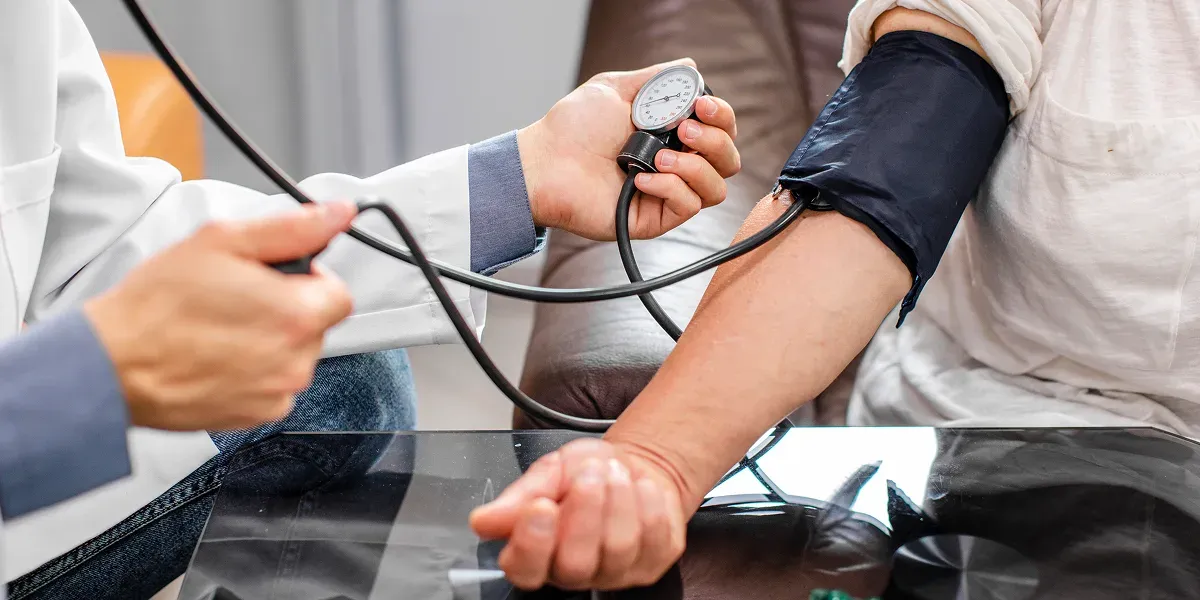
Hypertension, often referred to as high blood pressure, is one of the most common chronic health conditions affecting millions of people worldwide. It develops silently, often without any noticeable symptoms, but its long-term effects can be serious and sometimes life-threatening. Understanding hypertension means looking closely at what happens inside your body when the pressure of your blood against the artery walls remains consistently high. Over time, this constant force can damage the arteries, strain the heart, and affect vital organs, increasing the risks of hypertension and severe health problems.

Understanding What Hypertension Really Means
At its simplest, blood pressure measures how strongly your blood pushes against the walls of your arteries as your heart pumps it through your body. When this pressure remains higher than normal, the condition is known as hypertension. It is typically recorded as two numbers the systolic pressure, which measures the force when your heart beats, and the diastolic pressure, which measures the force when your heart rests between beats. A normal reading is generally considered to be around 120/80 mmHg. Readings consistently higher than 130/80 mmHg are classified as high blood pressure.
However, hypertension is not just a number. It reflects how your cardiovascular system functions and how well your body manages the balance between blood flow and resistance. The higher the pressure, the harder your heart must work, which can eventually weaken it and damage the arterial walls. This makes hypertension not just a standalone condition but a major factor that influences many other health issues.

The Silent Nature of Hypertension
One of the most concerning aspects of hypertension is that it rarely presents clear warning signs in its early stages. Many people live for years without realizing they have it, which is why it’s often called the “silent killer.” Despite the lack of symptoms, the risks of hypertension begin to build quietly inside the body. Arteries can harden and thicken, the heart can enlarge, and small blood vessels in organs like the kidneys, eyes, and brain can be damaged long before any outward signs appear.
Some people may experience mild hypertension symptoms such as headaches, dizziness, nosebleeds, or blurred vision, but these are not specific to high blood pressure and usually appear only when levels reach dangerously high readings. The absence of obvious indicators is what makes regular monitoring essential. Knowing your blood pressure numbers is one of the most reliable ways to detect the condition early and manage it effectively.
Common Causes of High Blood Pressure
There isn’t a single cause of high blood pressure; rather, it develops through a combination of lifestyle choices, genetics, and biological changes. Age plays a major role, as arteries naturally lose elasticity over time, making it harder for blood to flow smoothly. Family history can also increase your risk, meaning that if your parents or siblings have hypertension, your chances of developing it are higher.
Lifestyle factors contribute significantly as well. Diets high in sodium can cause your body to retain water, which raises blood volume and pressure. Physical inactivity weakens the heart and makes it less efficient at pumping blood. Chronic stress causes the body to release hormones that temporarily increase pressure, and if stress remains unrelieved, these effects can become long-term. Excessive alcohol consumption and smoking both contribute to arterial damage, further compounding the causes of high blood pressure.
Medical conditions such as diabetes, kidney disease, or hormonal imbalances can also lead to secondary hypertension. This means the high blood pressure is a result of another underlying health issue. Understanding the root cause is vital because managing hypertension often requires addressing these contributing factors rather than focusing solely on the numbers.
How Hypertension Affects the Body
The risks of hypertension reach far beyond the cardiovascular system. Persistently high blood pressure damages blood vessel walls, making them more prone to plaque buildup and narrowing, a process known as atherosclerosis. This reduces blood flow and oxygen delivery to key organs, setting the stage for serious complications.
The heart, being the organ most directly involved, suffers first. It must work harder to push blood through narrowed arteries, leading to thickening of the heart muscle. Over time, this can progress to heart failure, where the heart is unable to pump blood efficiently. Hypertension is also one of the leading causes of coronary artery disease, heart attacks, and strokes.
The brain is another organ heavily impacted by high blood pressure. Reduced blood flow can cause small blockages or bleeding in the brain, increasing the risk of stroke or cognitive decline. Studies show that long-term hypertension can contribute to memory loss and dementia.
In the kidneys, the delicate network of blood vessels responsible for filtering waste can be damaged, leading to chronic kidney disease. The eyes are also vulnerable, as high blood pressure can harm the tiny vessels that supply the retina, resulting in blurred vision or even vision loss. Because the effects are so widespread, hypertension is not only a cardiovascular concern but a full-body condition that requires continuous attention.
The Role of Lifestyle and Prevention
Although hypertension can be influenced by factors beyond personal control, such as genetics or age, lifestyle plays a crucial role in prevention and management. Maintaining a balanced diet with reduced salt intake, engaging in regular physical activity, and avoiding tobacco use are all foundational for keeping blood pressure within a healthy range. Stress management techniques and adequate sleep also contribute to better heart health and lower pressure levels.
Regular checkups are equally important. Since hypertension symptoms often go unnoticed, having your blood pressure measured during routine medical visits can help catch it early. Early detection gives you the best chance to prevent long-term complications and make necessary changes before permanent damage occurs.
Understanding the Risks of Hypertension
The risks of hypertension lie in its cumulative impact over time. Uncontrolled high blood pressure does not cause immediate discomfort for most people, but it silently damages the circulatory system every day. This prolonged strain increases the likelihood of heart attack, stroke, kidney failure, and other life-threatening conditions. Research consistently shows that even modest reductions in blood pressure can significantly reduce the risk of major cardiovascular events.
It’s also important to recognize that hypertension often coexists with other metabolic conditions, such as diabetes or high cholesterol. When combined, these issues accelerate the development of atherosclerosis and heart disease. That’s why hypertension should always be viewed in the context of overall health rather than as an isolated condition.
When to Seek Medical Evaluation
If you experience frequent headaches, shortness of breath, chest discomfort, or visual disturbances, these may be signs of elevated blood pressure that needs medical attention. However, since hypertension symptoms are often subtle or absent, relying on routine monitoring is the safest approach. A healthcare provider can assess your blood pressure, identify potential causes of high blood pressure, and recommend appropriate interventions to control it effectively.
Hypertension is a lifelong condition for many people, but with proper awareness and consistent care, it can be managed successfully. Lifestyle adjustments, regular monitoring, and medical evaluation can make a significant difference in preventing the complications that stem from prolonged high blood pressure.
Conclusion
Hypertension is one of the most significant yet preventable causes of serious health problems worldwide. Understanding what high blood pressure means, how it develops, and the risks of hypertension it carries is the first step toward taking control of your health. While it often progresses quietly, its consequences are anything but silent. The damage it inflicts on the heart, brain, kidneys, and arteries underscores the importance of regular checkups and lifestyle awareness.
By learning about hypertension symptoms and the causes of high blood pressure, you can take proactive measures to safeguard your well-being. Whether through healthy habits, regular monitoring, or timely medical evaluation, every effort counts. High blood pressure may be common, but with awareness and action, it does not have to define your health future. Now is the time to understand your numbers, listen to your body, and make choices that protect your heart and your life.
Resource:
Understanding Hormonal and Reproductive Disorders in Men and Women
Share This:
Disclaimer
Please note that the information provided in the blogs and articles is intended for general informational purposes only and should not be considered medical advice. We strive to bring you the latest information about the endocrine world; however, we encourage you to seek individual medical advice and treatment options during your consultation with a qualified healthcare professional.