
5 Ways Osteoporosis Affects More Than Just Your Bones

Dr. W. Rizvi
Feb 4, 2026
It often begins quietly. A favorite sweater no longer hangs the same way. A mirror reflects a slight curve in the shoulders that wasn’t there before. For many osteoporosis patients, the condition doesn’t announce itself with sudden pain; it reveals itself through subtle changes that slowly affect daily life. What seems like normal aging may actually be the early impact of osteoporosis working beneath the surface.
Osteoporosis is widely known as a bone disease, yet its reach extends far beyond bones alone. As the skeletal system weakens, posture, movement, comfort, and independence can all be affected. Understanding how osteoporosis affects your body helps uncover the deeper bone and health connection that shapes long-term well-being, particularly for seniors.

Osteoporosis by the Numbers: Why Awareness Matters
Osteoporosis is a prevalent though little known chronic health disorder in the United States. National health statistics show that millions of adults are living with low bone density with many of them having no symptoms. Many patients with osteoporosis lose bone years before the diagnosis, and this exposes them to risks of fractures and complications in the long-term.
Statistics also indicate that spinal fractures are usually not detected even when they cause posture complications, persistent pains, and reduced height. With the rise of life expectancy, the cumulative health cost of osteoporosis is also increasing, and education and awareness would be the key to raising awareness before it is too late and improving the health outcome.
1. Spinal Weakness and Postural Changes
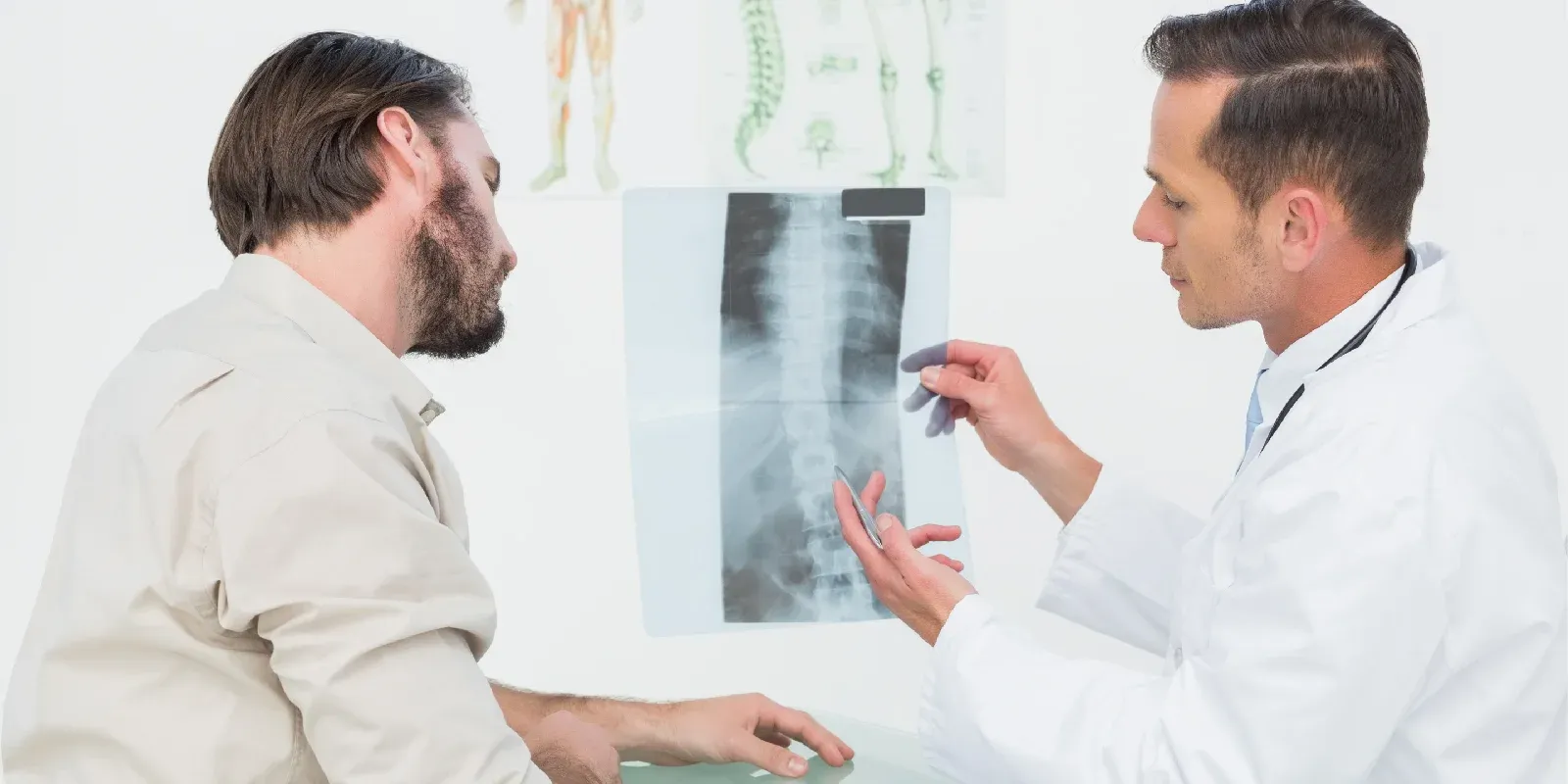
The effect of osteoporosis on the spine is one of the most evident. Vertebrae are built to carry weight on the body and put up the posture yet the bone weakness may lead to bone compression. Such transformations in the long run can lead to the rounded appearances of the upper back or leaning forward position, which is often linked to osteoporosis.
Postural deterioration is not merely a change of appearance. It may put a strain on muscles, overstretch ligaments, and cause chronic backache. The balance can be impaired as the alignment process changes, which increases the risk of falls. These bone issues depict the fact that osteoporosis outside fractures can redefine the body structure and normal functioning.
2. Reduced Mobility and Physical Independence
Some of the osteoporosis health conditions that have changed the lives of people are mobility problems. The elderly can experience a lack of confidence when performing daily activities involving bending, lifting or walking long distances due to the weakening of the bones. The loss of mobility may occur over time and in many cases may not be as a result of pain itself but due to fear of getting harmed.
Such limitation may cause a process of reduced activity, muscle degradation, and additional bone loss. In elderly people, mobility could also be a problem with regard to autonomy and engagement in social events. The results of fragile bones extend further than just physical action, and they affect mood and quality of life.
3. Chronic Pain That Extends Beyond Fractures
The complication of osteoporosis that is overestimated is chronic pain. Although fractures may be a contributing factor, pain can also be caused by compression of the spine, muscle fatigue and change of posture. Osteoporotic related back pain can be quite gradual and therefore easy to ignore or dismiss as a result of old age.
Constant pain may disrupt sleep, concentration, and activities of day-to-day life. In the long run, chronic pain can restrict movement and cause decreased mobility. These bone disease health risks allow the patients to appreciate that they might be feeling pain as a systemic outcome of osteoporosis and not as an isolated problem.
4. Height Loss and Structural Shifts
Reduction in height is a faint yet significant indicator of osteoporosis. Individuals can lose inches without even knowing why due to vertebrae compression. This loss of height indicates other underlying alterations in the skeletal system that influences balance, breathing patterns, and body positioning.
Stresses can make muscles stricter and more fatigued and make the posture more difficult to hold. Height change monitoring can provide a useful approach to the development of osteoporosis and its health effects as a whole. All these physical alterations support the significance of identifying the effects of osteoporosis at an early stage.
5. Fracture Risks and Long-Term Health Consequences
The risk of fractures is a focal point of osteoporosis, which has an impact not only on the injury. Fractures of the hips, spine, or wrist may greatly interfere with mobility and independence, particularly in older people. A recovery can include long term rehabilitation and lifestyle changes.
Fractures may also provoke more widespread health problems, such as the inability to move freely and lose confidence in movement. Osteoporosis outside the fractures demonstrates that a single skeletal problem may result in the generation of a ripple effect across the body, which is why the condition is systemic.
Conclusion
Osteoporosis is a silent condition with consequences that extend far beyond weakened bones. Spinal changes and posture issues are only a part of the whole health impact that may be extensive as well as chronic pain, diminished mobility, and risk of fractures. These are osteoporotic effects on the body that show how fragile the bones are, affecting movement, alignment, and overall quality of life. Learning about osteoporosis outside the fractures enables one to notice the minor physical changes and value the contribution of bone health to independence and daily functioning.
By becoming informed about the broader osteoporosis health issues and skeletal complications, individuals are better equipped to seek timely medical insight and protect long-term well-being. If you’re noticing changes related to bone health, posture, or mobility, the team at R-Endocrinology can help you better understand what your body may be telling you.
Contact your endocrinologist today in New Jersey, Dr. Wajih, at R-endocrinology, to learn more about the ways Osteoporosis Affects More Than Just Your Bones.
Resource:
Osteoporosis and Diet: Foods That Help Strengthen Your Bones
Share This:
Disclaimer
Please note that the information provided in the blogs and articles is intended for general informational purposes only and should not be considered medical advice. We strive to bring you the latest information about the endocrine world; however, we encourage you to seek individual medical advice and treatment options during your consultation with a qualified healthcare professional.