
The Different Types of Cholesterol: HDL, LDL, and Triglycerides Explained

by Dr. W. Rizvi
Nov 25, 2025
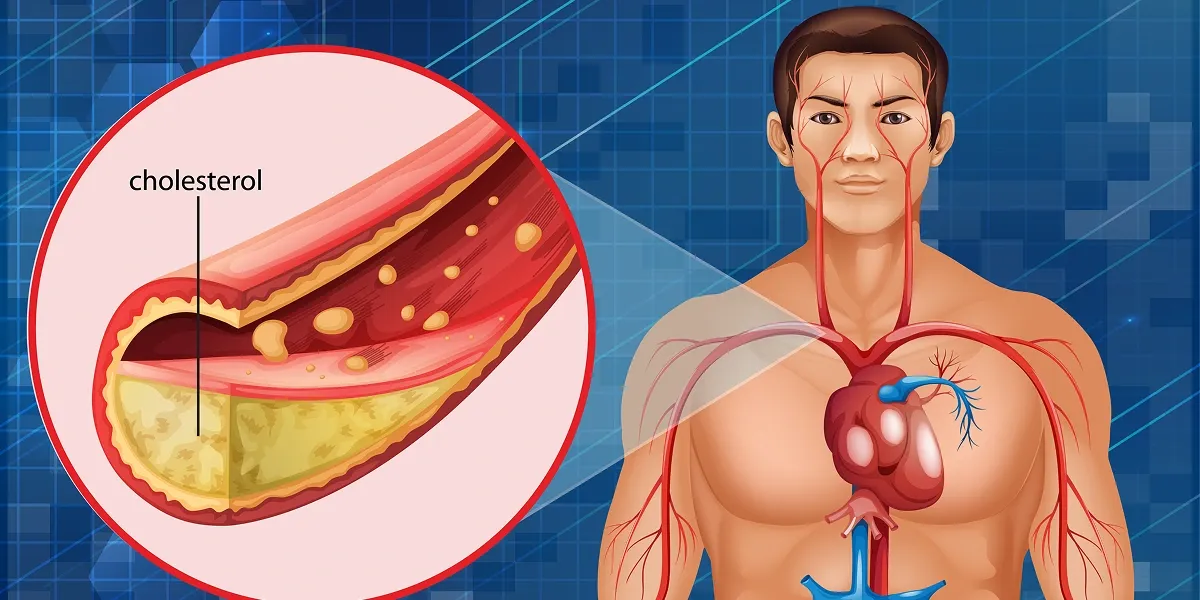
Cholesterol often has a bad reputation, but in reality, it plays an essential role in your health. It’s a waxy, fat-like substance found in every cell and necessary for hormone production, vitamin D synthesis, and the creation of bile acids that help digest fats. The problem arises when certain types of cholesterol build up in the blood, increasing the risk of heart disease and stroke. Understanding the balance between HDL cholesterol, LDL cholesterol, and triglycerides is the first step toward managing cardiovascular health effectively.
What Exactly Is Cholesterol?
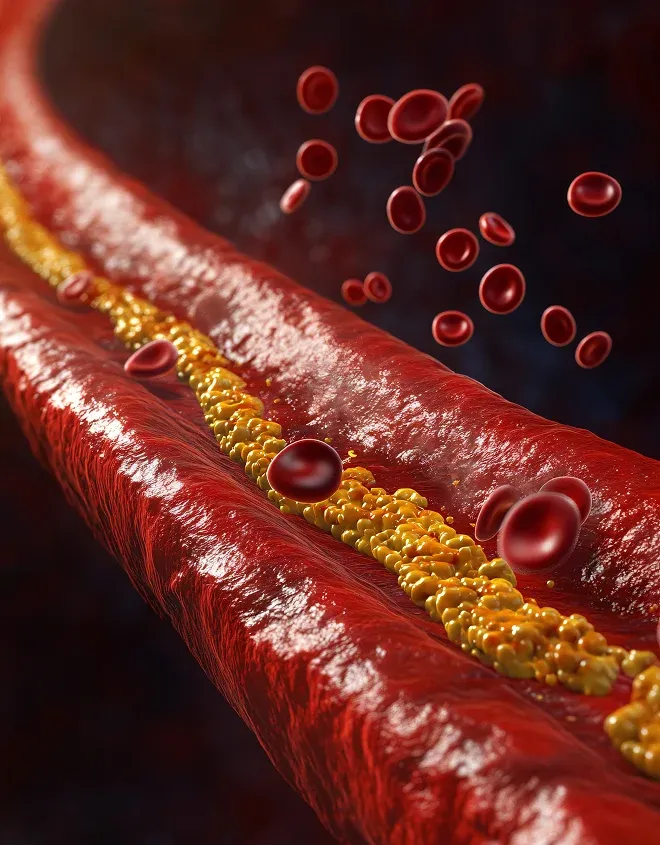
Before diving into the details, let’s get cholesterol explained simply. Cholesterol travels through the bloodstream attached to proteins, forming what’s called lipoproteins. These lipoproteins determine whether cholesterol will benefit your body or harm it. There are two main types of high-density lipoprotein (HDL) and low-density lipoprotein (LDL) and one additional fat-like particle called triglycerides.
In the right amounts, cholesterol supports critical bodily functions. However, imbalances with too much LDL or too little HDL can cause deposits in your arteries, leading to atherosclerosis (narrowing of arteries), which increases the risk of heart problems.
HDL Cholesterol The “Good” Cholesterol
HDL cholesterol is often referred to as “good” cholesterol because it helps remove excess cholesterol from your bloodstream. It carries cholesterol from the arteries back to the liver, where it is broken down and eliminated from the body.
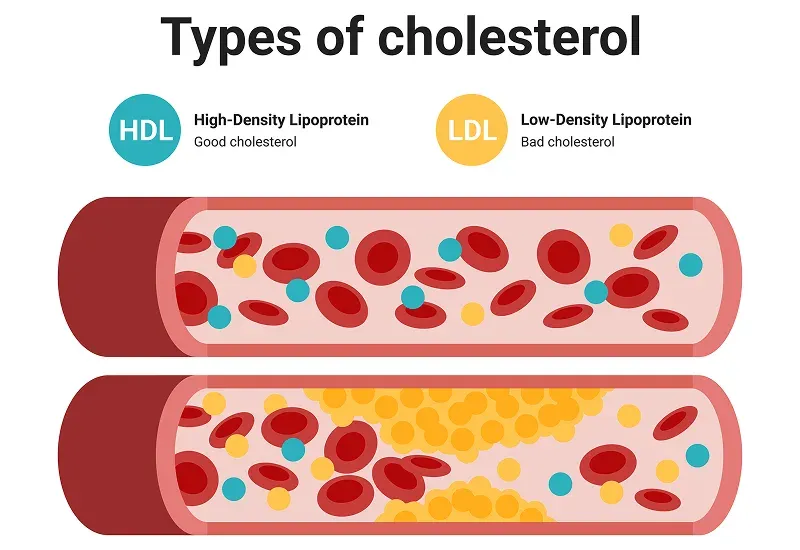
Higher levels of HDL cholesterol are associated with a lower risk of heart disease and stroke. Ideally, your HDL should be above 60 mg/dL for optimal protection. Lifestyle habits such as regular exercise, a balanced diet rich in omega-3 fatty acids and quitting smoking can help boost your HDL naturally.
In essence, HDL acts as your artery cleaning crew; it clears the buildup that can lead to serious cardiovascular issues.
LDL Cholesterol The “Bad” Cholesterol
On the other hand, LDL cholesterol is often labeled as “bad” because when too much of it circulates in your blood, it can build up on the walls of your arteries. This buildup forms plaque, a thick, hard deposit that narrows the arteries and reduces blood flow.
High LDL cholesterol levels are a major contributor to coronary artery disease, heart attack, and stroke. The goal for most adults is to keep LDL below 100 mg/dL.
Several factors contribute to elevated LDL levels, including diets high in saturated fats and trans fats, smoking, obesity, and a sedentary lifestyle. Genetic conditions like familial hypercholesterolemia can also lead to dangerously high LDL levels that require medical management.
Reducing LDL often involves lifestyle changes such as increasing fiber intake, reducing saturated fats, exercising regularly, and, when necessary, taking prescribed lipid-lowering medications.
Triglycerides The Forgotten Fat
While most people focus on cholesterol, triglycerides play an equally important role in cardiovascular health. Triglycerides are the most common type of fat in the body, stored for energy between meals. After eating, your body converts any calories it doesn’t need immediately into triglycerides, which are then stored in fat cells.
High levels of triglycerides can contribute to hardening or thickening of the artery walls, increasing the risk of heart disease, especially when combined with high LDL or low HDL levels. The normal range for triglycerides is below 150 mg/dL.
Elevated triglycerides are often linked to poor dietary habits, excessive sugar or alcohol consumption, obesity, and insulin resistance. Managing them involves improving your diet especially by reducing simple carbs and sugary foods and incorporating regular physical activity.
How the Three Work Together?
Understanding the types of cholesterol means recognizing how HDL cholesterol, LDL cholesterol, and triglycerides interact. They form a delicate balance that directly influences heart health.
When LDL and triglycerides are high while HDL is low, plaque formation accelerates, blood flow decreases, and arteries stiffen, a dangerous combination that can silently lead to heart disease.
Maintaining a healthy balance means adopting heart-friendly habits such as eating more fruits, vegetables, whole grains, and lean proteins, staying active, and avoiding tobacco use. Regular checkups and blood tests are essential to monitor these levels and make necessary adjustments.
What Affects Cholesterol Levels?
Many lifestyle and genetic factors impact cholesterol balance. Diet, weight, physical activity, and even stress can influence cholesterol readings. Certain conditions, like diabetes or hypothyroidism, can also elevate cholesterol levels.
Moreover, aging naturally increases the risk of imbalance. Men often experience higher cholesterol earlier, while women’s cholesterol tends to rise after menopause due to hormonal changes.
Medications such as statins, niacin, or fibrates may be recommended when lifestyle measures alone aren’t enough to manage cholesterol effectively.
Why Cholesterol Balance Matters?
Keeping your cholesterol in check is not just about preventing heart disease; it’s about ensuring your overall well-being. Proper lipid management supports healthy blood circulation, brain function, and hormonal balance.
Even small improvements like lowering LDL by 10% or raising HDL by 5% can significantly reduce cardiovascular risk. The goal is not to eliminate cholesterol but to maintain the right proportion among the different types.
FAQs About Cholesterol
Q1: Can high cholesterol have symptoms?
No, high cholesterol usually has no symptoms. It is often discovered through a routine blood test. That’s why regular cholesterol screening is crucial, especially if you have risk factors like family history or high blood pressure.
Q2: Can you have high HDL and still be at risk?
Yes. While HDL cholesterol is protective, very high levels (above 90 mg/dL) may not provide additional benefits and could sometimes be linked with other metabolic issues.
Q3: How often should I check my cholesterol levels?
Adults should get their cholesterol tested every 4 to 6 years, though those with heart disease or risk factors may need more frequent checks.
Q4: Can diet alone control cholesterol?
For many people, healthy eating combined with regular exercise can significantly improve cholesterol levels. However, some individuals may need medication due to genetics or other health conditions.
Q5: Are triglycerides more dangerous than cholesterol?
Not necessarily, but elevated triglycerides combined with high LDL cholesterol or low HDL cholesterol increase cardiovascular risks. Managing all three together provides the best protection.
Conclusion
Understanding the types of cholesterol, HDL cholesterol, LDL cholesterol, and triglycerides helps you take charge of your heart health. Keeping these levels balanced prevents artery damage, supports circulation, and promotes long-term vitality.
Making small lifestyle changes like adopting a balanced diet, exercising regularly, and scheduling regular checkups can go a long way toward maintaining healthy cholesterol.
Knowledge is your best defense. Once you have your cholesterol explained clearly, you can make informed decisions to protect your heart and overall health for years to come.
Resource:
Best Online Weight Loss Prescriptions: Top Options for Effective Results
Share This:
Disclaimer
Please note that the information provided in the blogs and articles is intended for general informational purposes only and should not be considered medical advice. We strive to bring you the latest information about the endocrine world; however, we encourage you to seek individual medical advice and treatment options during your consultation with a qualified healthcare professional.