How Blood Sugar Monitoring Works in Online Diabetes Care

by Dr. W. Rizvi
Jun 4, 2026
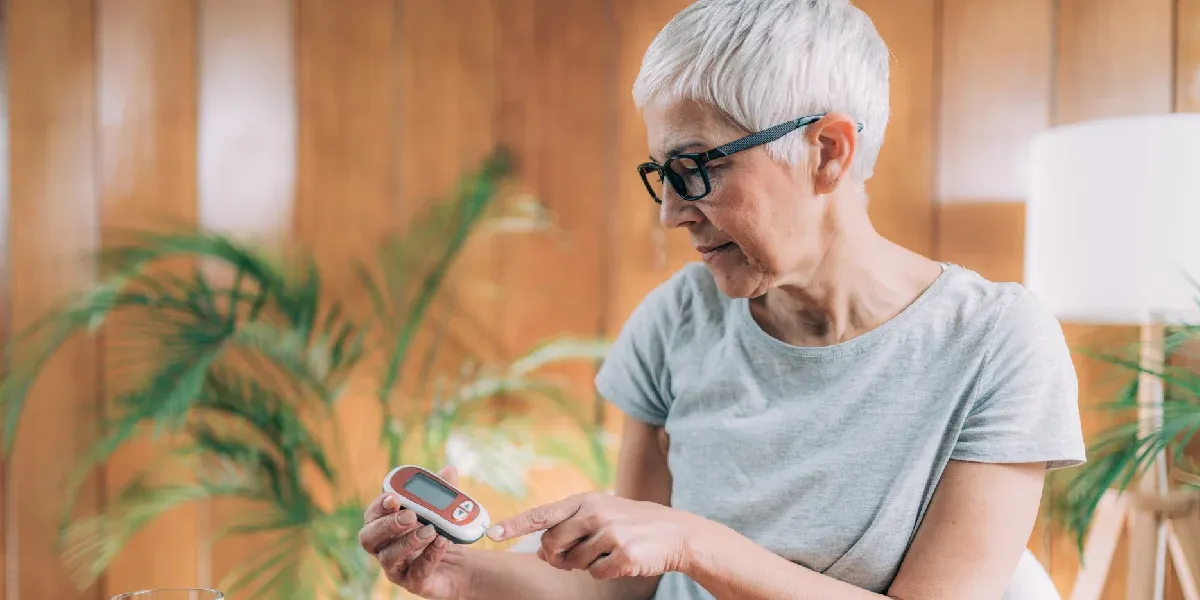
Managing diabetes well depends on one thing above almost everything else: knowing where your blood sugar is. Without that information, adjusting diet, activity, and medication becomes guesswork. Blood sugar monitoring sits at the foundation of every sound diabetes care plan, and with the growth of online diabetes management, the tools and frameworks for monitoring have become more accessible, more sophisticated, and more integrated into daily life than ever before.
For patients across NYC, New Jersey, and Philadelphia, online diabetes care is becoming an increasingly convenient way to stay connected with endocrinologists and diabetes specialists without the limitations of frequent in person visits. Whether someone is managing a busy work schedule in Manhattan, commuting across New Jersey, or balancing family responsibilities in Philadelphia, remote diabetes care offers a more flexible way to monitor long term health.
This article explains how blood sugar monitoring works, what the different methods involve, and how remote monitoring fits within a modern online diabetes care model.
Why Blood Sugar Monitoring Matters in Diabetes Management
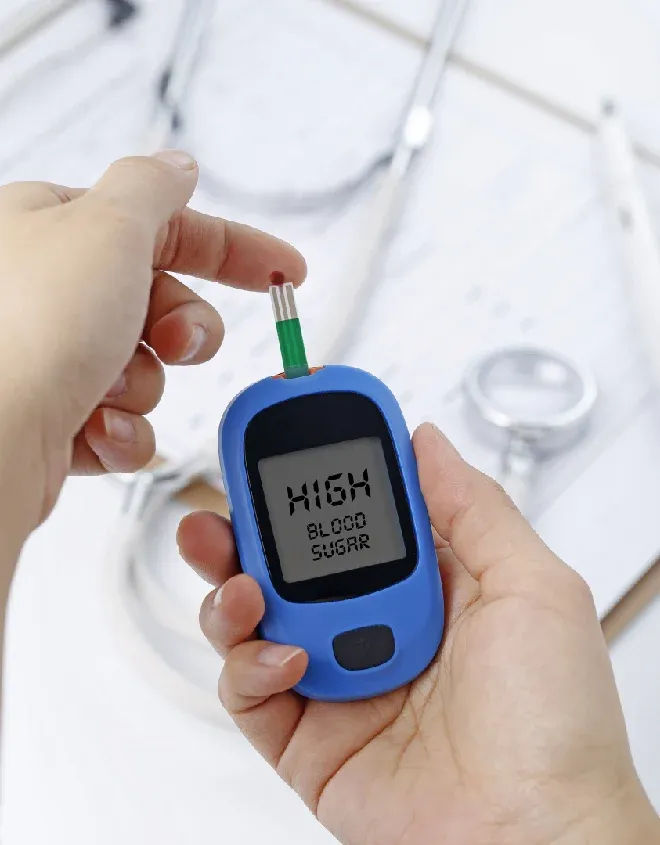
Blood sugar monitoring is the process of measuring the concentration of glucose in the bloodstream. For people with type 1 or type 2 diabetes, this data serves as the primary feedback signal for understanding how food, exercise, stress, sleep, and medications are affecting the body.
Without regular monitoring, it's difficult to detect patterns of hypoglycemia (low blood sugar) or hyperglycemia (high blood sugar), and even harder to make evidence based adjustments to treatment. Over time, poorly managed blood sugar levels are associated with an increased risk of complications affecting the kidneys, eyes, nerves, and cardiovascular system.
For many patients in NYC, New Jersey, and Philadelphia, consistent monitoring can also be challenging because of demanding schedules, long commutes, travel, and limited appointment availability. Online diabetes management programs help bridge that gap by making ongoing support more accessible.
Traditional Blood Glucose Monitoring: How It Works
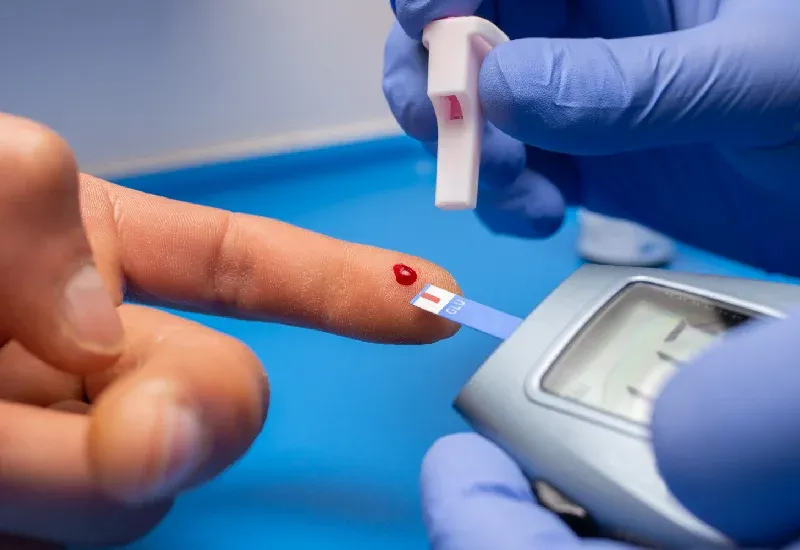
The most familiar form of blood sugar monitoring is self monitoring of blood glucose (SMBG) using a glucometer. The process is straightforward: a small lancet is used to draw a drop of blood from a fingertip, which is then applied to a test strip inserted into a handheld glucose meter. Results are displayed within seconds, typically in milligrams per deciliter (mg/dL).
Traditional glucometers are reliable, relatively inexpensive, and widely available. They require regular testing throughout the day, typically before meals, after meals, and at bedtime, to capture a meaningful picture of glucose patterns. The frequency depends on the type of diabetes and the individual's treatment plan.
One limitation of fingerstick monitoring is that it provides only a single point in time measurement. It captures your blood sugar at one moment but doesn't reveal what happened between checks.
Patients throughout Brooklyn, Jersey City, Newark, and Philadelphia often use glucometers alongside telehealth follow ups to share readings with their online care team and receive treatment guidance remotely.
Continuous Glucose Monitors: A More Complete Picture
Continuous glucose monitors (CGMs) have transformed diabetes management over the past decade. A CGM uses a small sensor, typically worn on the arm or abdomen, that measures glucose levels in the interstitial fluid just beneath the skin. Readings are taken automatically every few minutes and transmitted wirelessly to a smartphone app or receiver.
CGMs provide real time glucose data throughout the day and night, including directional arrows that indicate whether levels are rising or falling and how quickly. Many CGM systems also provide alerts when glucose approaches dangerously high or low thresholds.
For patients in fast paced urban areas like NYC and Philadelphia, or for individuals managing diabetes while commuting throughout New Jersey, continuous monitoring can provide greater convenience and more consistent insight into glucose trends.
| Monitoring Method | How It Works | Frequency | Captures Trends | Data Sharing |
|---|---|---|---|---|
| Fingerstick Glucometer | Blood drop on test strip. | Manual, several times daily | No | Manual entry |
| Continuous Glucose Monitor (CGM) | Sensor reads interstitial glucose. | Every 5–15 minutes, automated | Yes | Automatic to app/cloud |
| Flash Glucose Monitor | Sensor scanned by reader/phone. | On demand (scan to check) | Yes | Via app |
| Laboratory HbA1c Test | Blood draw, measures 3 month average. | Every 3–6 months | 3 month picture | Via provider |
How Online Diabetes Care Integrates Blood Sugar Data
Online diabetes management programs are built around the idea that continuous, data informed care doesn't require a patient to be physically present in a clinic. Telehealth platforms and remote endocrinology services allow patients to share their glucose data, often in real time, with their care team, enabling personalized guidance, medication adjustments, and coaching from a distance.
Most CGM devices sync automatically with cloud based platforms, where endocrinologists, certified diabetes care and education specialists (CDCES), and other team members can view detailed glucose reports. These reports include time in range statistics, glucose variability metrics, and trend patterns that might not be visible from a few daily fingerstick checks.
This model has become especially useful for patients across Manhattan, Queens, Newark, Hoboken, and Philadelphia who want access to ongoing specialist care without repeated travel to medical offices.
Time in Range: The New Standard in Diabetes Monitoring
Historically, HbA1c, a blood test measuring average blood sugar over a two to three month period, was the primary indicator used to assess diabetes management. While HbA1c remains important, the concept of "time in range" (TIR) has gained significant recognition as a more nuanced metric.
Time in range refers to the percentage of the day that blood glucose levels fall within a target range, commonly 70 to 180 mg/dL for most adults with diabetes. Research has linked higher time in range percentages with reduced risk of diabetes related complications. For online care providers using CGM data, TIR is a valuable tool for evaluating management quality and making precise adjustments.

"The American Diabetes Association's Standards of Medical Care in Diabetes recognizes time in range as a clinically meaningful outcome measure for people using continuous glucose monitoring."
What Patients Can Expect from Online Blood Sugar Monitoring Support
In an online diabetes care model, blood sugar monitoring support typically begins with a comprehensive assessment during an initial telehealth consultation. The provider reviews current monitoring methods, existing data, and health history to understand baseline glucose patterns.
From there, patients may receive guidance on optimizing their monitoring schedule, interpreting their data, identifying patterns related to specific foods or activities, and adjusting targets in collaboration with their care team. Many platforms facilitate regular check ins through video, messaging, or automated data review so patients have ongoing access to professional guidance without repeated in person visits.
For many people living in NYC, New Jersey, and Philadelphia, this approach offers greater flexibility while still maintaining consistent access to endocrinology support and diabetes education.
Conclusion
Blood sugar monitoring is not just a task to check off a list, it's the foundation of informed diabetes management. From traditional fingerstick glucometers to real time continuous glucose monitors that share data directly with your care team, the tools available today make it possible to track, understand, and respond to glucose patterns with a level of precision that simply wasn't possible a generation ago.
Online diabetes care brings these tools into a connected, convenient model where professional guidance is accessible without the logistical barriers of in person visits. For patients throughout NYC, New Jersey, and Philadelphia, remote diabetes management provides a more flexible and accessible way to stay engaged with long term care and improve overall health outcomes.
Contact your endocrinologist today in New Jersey, Dr. Wajih, at R-endocrinology, to learn more about How Blood Sugar Monitoring Works in Online Diabetes Care
This article is for informational purposes only and does not constitute dental or medical advice. Please consult a licensed dental professional for personalized guidance.
Resource:
Share This:
Disclaimer
Please note that the information provided in the blogs and articles is intended for general informational purposes only and should not be considered medical advice. We strive to bring you the latest information about the endocrine world; however, we encourage you to seek individual medical advice and treatment options during your consultation with a qualified healthcare professional.