
7 Risk Factors That Increase Your Chances of Developing Osteoporosis

by Dr. W. Rizvi
Jan 20, 2026

Osteoporosis is a condition characterized by weakened bones and increased fracture risk, often progressing silently for years. Understanding the osteoporosis risk factors is essential for prevention, early diagnosis, and long-term bone health. While age and genetics play significant roles, lifestyle choices, nutrition, and hormonal changes can dramatically influence bone density. Identifying the causes of osteoporosis early allows individuals to make informed decisions that protect skeletal strength and prevent future complications. Awareness empowers proactive measures that maintain strong bones and reduce the risk of debilitating fractures later in life.
Below are seven major risk factors that increase your chances of developing osteoporosis, along with strategies to manage them.
1. Advancing Age and Bone Density Decline
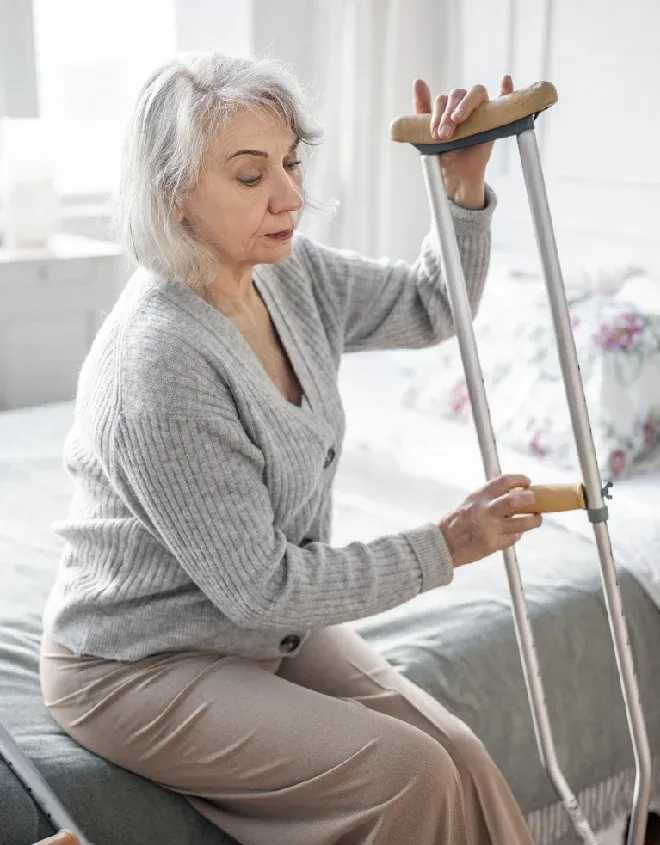
One of the greatest causes of osteoporosis is age-related bone loss. As we grow older, the natural process of bone remodeling slows, meaning bone breakdown begins to outpace new bone formation. The aged are particularly vulnerable as their healing of the bones is slower, thus resulting in a reduction in bone density and predisposing them to fractures. Age is closely associated with osteoporosis, and prevention along with screening should be done early in the lives of people. Knowledge of the influence of age on skeletal health enables individuals to act in time with the help of exercise, nutrition, and lifestyle decisions that prevent bone weakness.
The loss in bone density does not happen in one day, but it is a process that is slow, and people are not always aware of it until the point when they have a fracture. Checkups, scans on bone mineral density and diets rich in calcium become more imperative with the onset of an aging process. Resistance training, jogging, and walking weight-bearing exercises promote bone formation, which is important in slowing down skeletal aging. The long-term advantages can be achieved through these habits at an early age, which will decrease the risk of having severe osteoporosis in future years.
Along with exercise and nutrition, maintaining overall health is crucial for slowing age-related bone loss. Adequate protein intake supports bone structure, while managing chronic conditions such as diabetes or thyroid disorders helps prevent accelerated skeletal weakening. Staying socially active and mentally engaged also contributes indirectly to bone health by encouraging movement and reducing the risk of falls. Early awareness and consistent preventive measures can make a significant difference in preserving bone strength well into later years.
2. Low Calcium and Vitamin D Intake
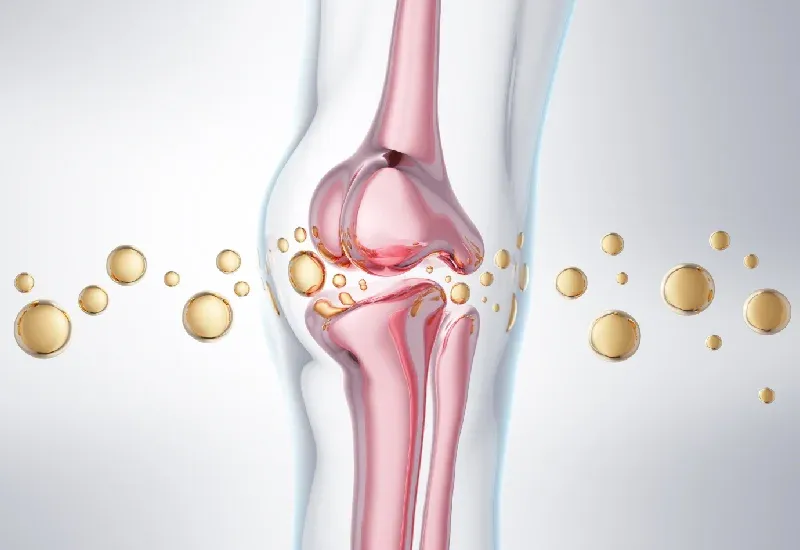
Strong bones require the presence of calcium and vitamin D. The main compound of bone tissue is calcium and vitamin D helps in absorbing calcium in the gut. Lack of these nutrients in the diet makes the body leech calcium out of the bones that are there thus overtime this weakens the skeletal structure. Among the most prevalent, though avoidable causes of osteoporosis, there are low calcium consumption and vitamin D deficiencies. Proper consumption of such nutrients is a key to long-term skeletal health and the prevention of fractures.
Supplementation can be required when foods are not adequate especially when the population is at high risk, e.g. the elderly and postmenopausal women. Healthy bone density is maintained by eating foods high in calcium like dairy products, leafy greens, and fortified plant-based milk and safe exposure to the sun or vitamin D supplementation. Taking calcium and vitamin D in their daily doses will greatly help prevent bone loss and minimize the chances of osteoporosis-related diseases.
3. Menopause and Estrogen Decline
It is through menopause that the bones are lost because of loss of estrogen, which is a hormone that helps in maintaining bone density. In the initial five to seven years after the menopause, postmenopausal women could be losing as much as 20 percent of bone mass. Estrogen is known to aid in bone remodeling by reducing bone loss rate, hence a decreased level presents a significant chance of developing osteoporosis. Menopause causes hormonal changes that predispose women to skeletal weakness especially in the initial phases of life which is why early intervention and medical advice is vital during this life stage.
Treatment of the bone in menopause is both medical and lifestyle. In certain cases, Hormone replacement therapy (HRT) can be taken to forestall the bone loss, but lifestyle changes are imperative. Sufficient calcium and vitamin D intake, weight-bearing activities, and either smoking cessation or excessive use of alcohol are also possible to maintain bone strength. The knowledge of hormone functions empowers postmenopausal women to take positive interventions to lower the risk of osteoporosis.
4. Sedentary Lifestyle and Lack of Exercise
Lack of exercise is a contributor to bone weakness. A sedentary lifestyle decreases the mechanical stress that stimulates the growth of the bones, making them less densified and more susceptible to fractures. Weight-bearing, resistance training, or balance exercises promote skeletal health and enhance the general health of bones. Some of the lifestyle patterns that lead to osteoporosis can be in the form of sitting a lot with little or no physical activity. It is important to set a routine that makes exercise a part of it and thus prevent bone loss encountered during old age.
In addition to bone density, consistent exercise enhances balance, coordination, and muscle strength, which contribute to the decrease in the risk of falls, which is one of the primary causes of fractures in older adults. Skeletal health is directly benefited even by moderate exercises, like brisk walking, stair climbing, or light resistance exercises. Exercise helps keep the bones strong, as well as cardiovascular, weight, and general well-being.
5. Smoking and Excessive Alcohol Use
High levels of alcoholism and cigarette smoking are huge lifestyle risk factors of osteoporosis. Smoking also disrupts bone remodelling processes, decreases calcium absorption, and decreases the levels of estrogen and makes the bones even weaker. Over consumption of alcohol disturbs bone formation and may lead to nutritional deficiency, which hampers the body to have a strong skeletal structure. The two habits both augment the probability of fracture and delay post-bone injury healing. Prevention of such behaviors is critical towards bone well-being and fracture prevention in the long run.
Chronic smokers and excessive drinkers lose their bones much faster and have high risks of developing severe complications when they get a fracture. A certain degree of bone-healing potential in the body can be reinstated by quitting smoking and reducing the consumption of alcohol. These lifestyle changes together with exercise, appropriate nutrition, and frequent medical checkups are the backbone of prevention of osteoporosis. Understanding the harmful effect of such practices would enable individuals to incorporate more healthy habits that would safeguard their bones.
6. Family History and Genetics
The role of genetics in bone density, bone structure, and skeletal health in general is crucial. Before people develop osteoporosis, they have a greater likelihood of this condition due to a family history of osteoporosis or fracture. Genetic factors may have an effect on calcium metabolism, bone remodeling efficiency, and peak bone mass attained in early adulthood. Insight into hereditary risk helps prevent early in life and specific prevention methods. Individuals who have a high family risk should take special care with regard to bone health in their life.
Prevention involves frequent bone density tests, lifestyle change, and nutritional supplements to offset the development of genetic susceptibility. Although genetics might predispose people to be more vulnerable to weaker bones, it is through proper care and preventive measures that the severity and onset of osteoporosis can be minimized. Early education enables one to make changes that can promote skeletal strength throughout life and also minimize the risk of fractures.
7. Medical Conditions and Long-Term Medications
Some long-term conditions and chronic drug use make one vulnerable to osteoporosis. Ailments like thyroid ailments, autoimmune ailments, diabetes and gastrointestinal ailments may disrupt bone metabolism and calcium uptake. The use of corticosteroids or other drugs in the long run can also cause bones to weaken with time. These underlying conditions are often not noticed until they result in fracture or other complications, and hence they need to monitor bone health in chronically ill patients.
Regular medical checkups, lab tests, and imaging can identify bone loss early, allowing for timely interventions. Addressing the root cause, whether through medication adjustment, lifestyle modification, or dietary supplementation supports skeletal health and prevents further deterioration. Awareness of the interplay between medical conditions, medications, and bone density is crucial for maintaining strong bones and preventing osteoporosis-related fractures.
Beyond the Risk Factors: Maintaining Strong Bones
While these seven risk factors highlight the primary contributors to osteoporosis, multiple factors often work together, compounding bone loss over time. Preventive care begins with lifestyle modifications, including balanced nutrition, adequate physical activity, and avoidance of harmful habits like smoking and excessive drinking. Bone health is also supported through routine screenings, early detection, and medical interventions when needed.
Engaging in weight-bearing exercises, consuming a calcium- and vitamin D-rich diet, managing chronic health conditions, and monitoring hormone levels can all help maintain bone density. Seniors and postmenopausal women should pay extra attention to bone health, as these populations are at higher risk. By combining knowledge of risk factors with proactive habits, individuals can significantly reduce their chances of developing osteoporosis and improve overall skeletal strength.
Conclusion
Osteoporosis risk factors often act silently and cumulatively, leading to weakened bones and higher fracture susceptibility. Understanding what increases the risk of osteoporosis empowers individuals to take early preventive action. Lifestyle habits, hormonal changes, genetics, and medical conditions all influence bone health, but proactive measures can mitigate these risks. With proper nutrition, exercise, regular screening, and medical guidance, osteoporosis can be managed effectively, ensuring stronger bones and a healthier, more active life. Awareness and early intervention remain the most effective tools for protecting skeletal health and preventing long-term complications.
Resource:
Share This:
Disclaimer
Please note that the information provided in the blogs and articles is intended for general informational purposes only and should not be considered medical advice. We strive to bring you the latest information about the endocrine world; however, we encourage you to seek individual medical advice and treatment options during your consultation with a qualified healthcare professional.